

The screenshots tell the story.
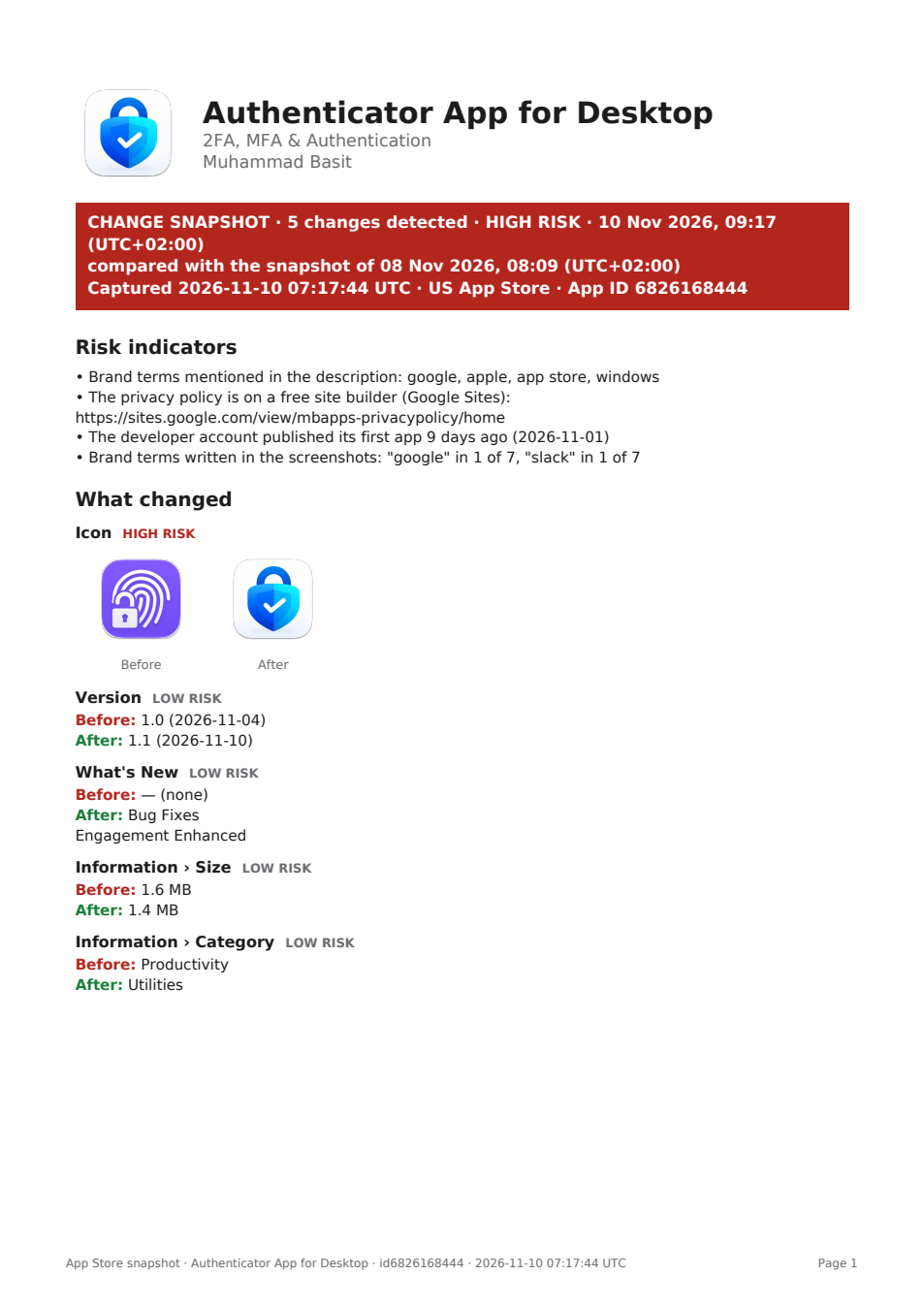
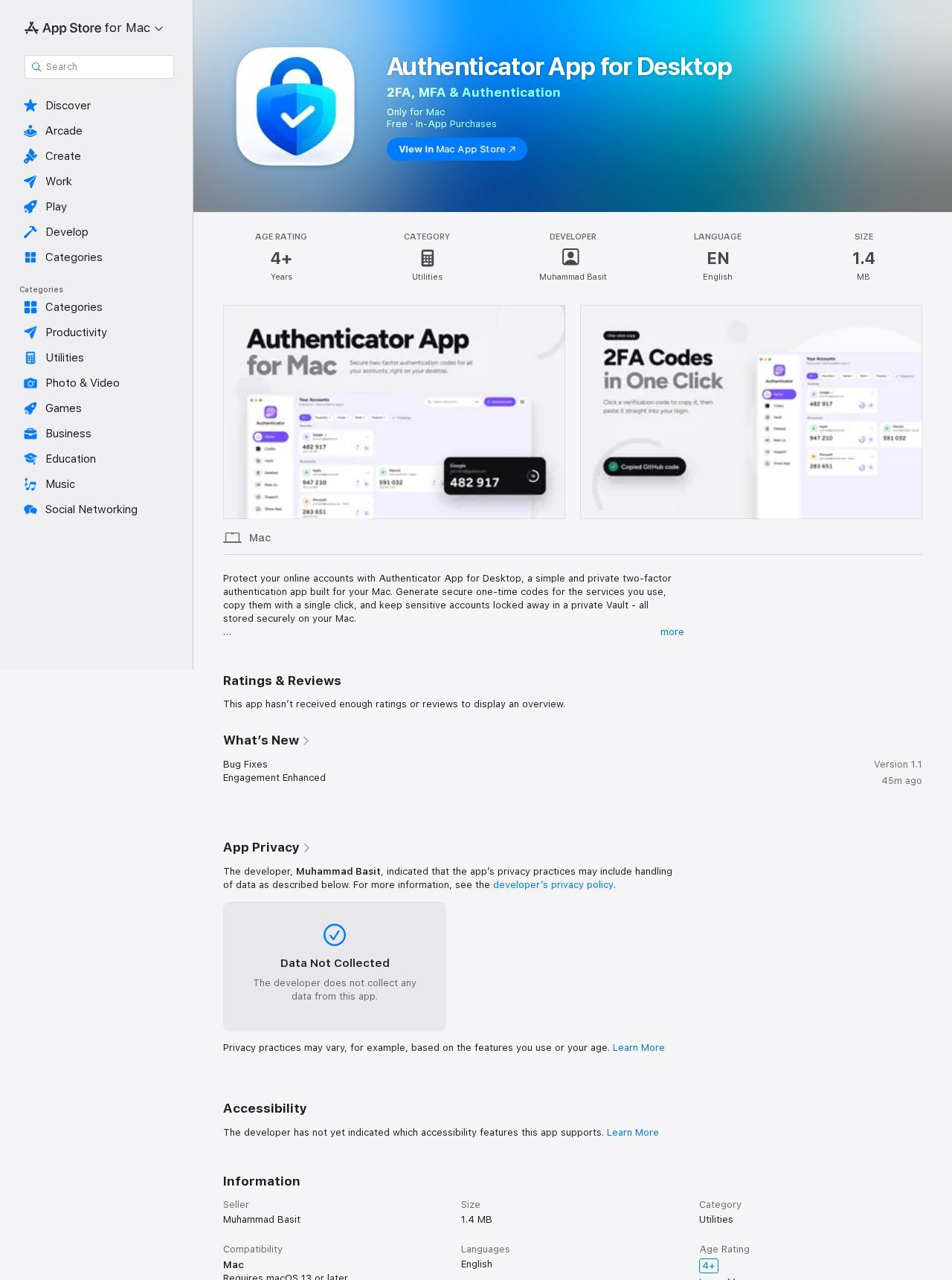
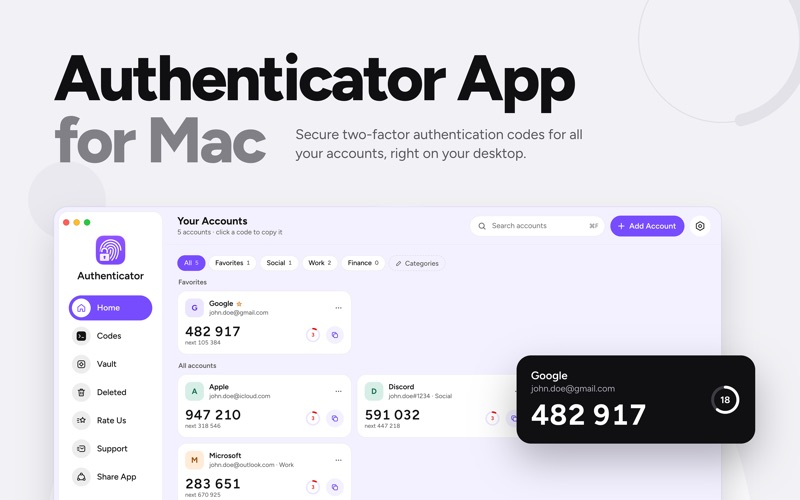
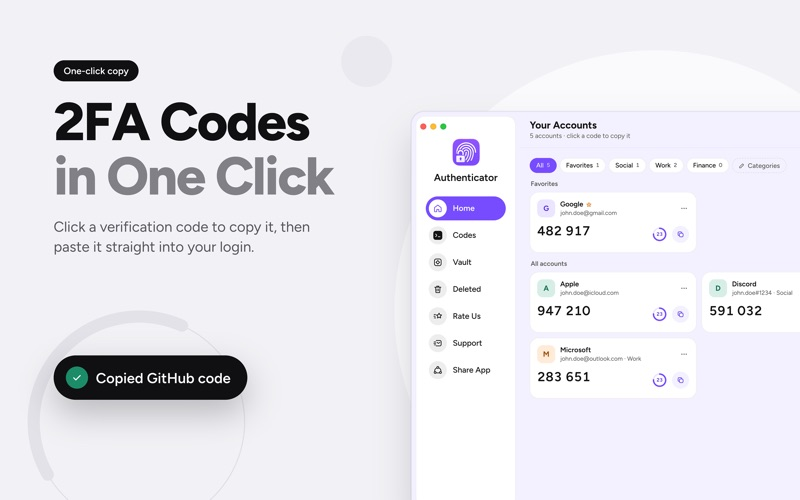
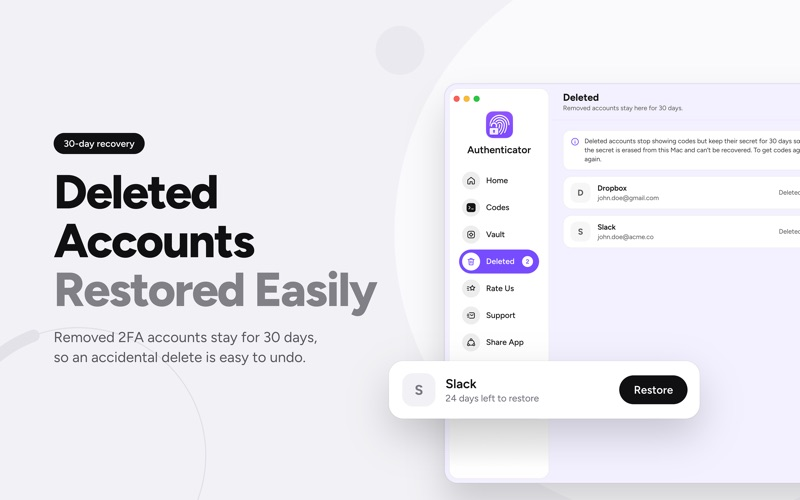
The dated monitoring page establishes the icon change. The native Apple capture and seven original promotions show what the new listing advertises. They are listing evidence, not screenshots of an independently installed or tested app.
See all 7 additional screenshots
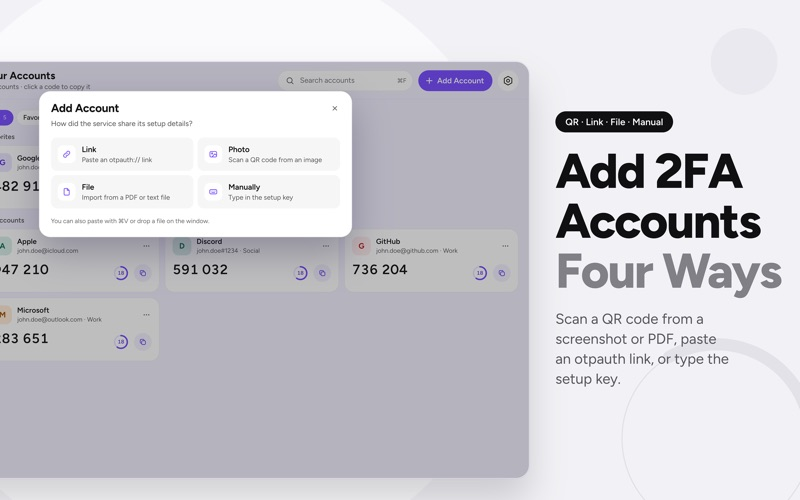
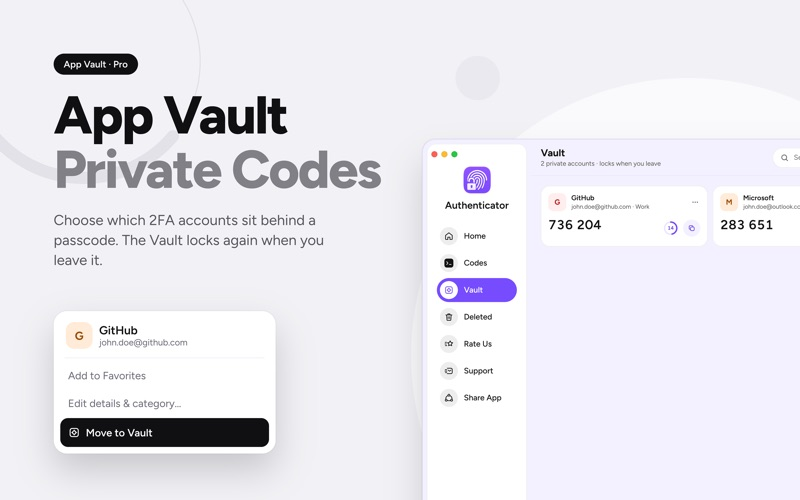
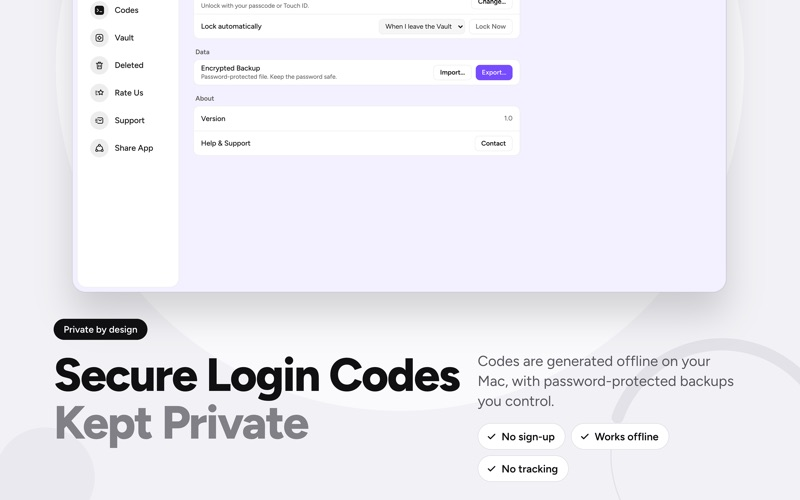
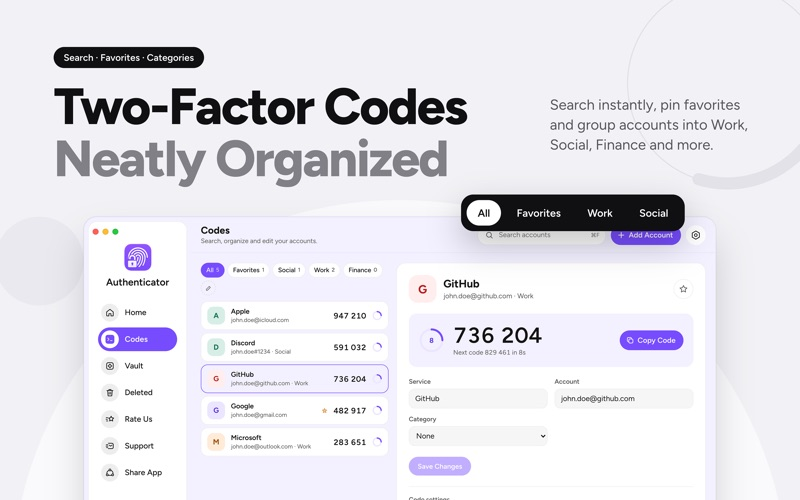
A security product needs a clear identity and app-specific privacy promises.
The icon changed after the app was already available
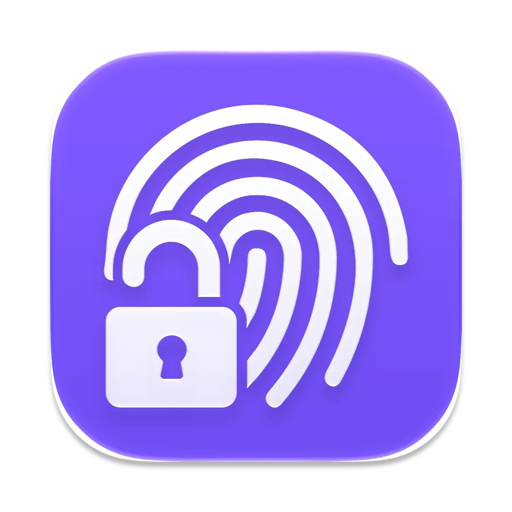
The supplied comparison records a purple fingerprint on 8 November and a blue lock-and-shield on 10 November under the same app ID. Version 1.1 has brief bug-fix and engagement release notes. Apple independently records its release at 06:32:12 UTC on 10 November. This supports scrutiny of post-launch presentation changes; it does not reveal what the reviewer saw or the developer's private review notes.
E1 page 1; E2/E3.
E1 E2 E3The Authenticator name and look-alike icon reinforce each other
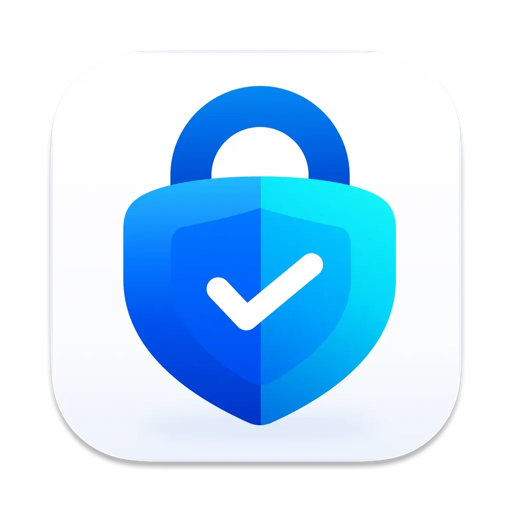
App Scam DB assesses the combined name and icon as misleading presentation: Authenticator App for Desktop shares the prominent Authenticator wording with Microsoft's product and pairs it with a similar blue lock-and-shield icon. That combination can make an independent paid Mac app look like an official Microsoft desktop counterpart. Apple identifies Muhammad Basit as seller. Microsoft's own support page says Microsoft Authenticator is not available for PC or Mac. This assessment concerns the combined presentation; it does not establish exclusive rights over the descriptive word Authenticator or prove that buyers were actually confused.
Visual assessment of original icons; E2/E4/E5.
E2 E4 E5Local-only claims meet an unrelated AI policy
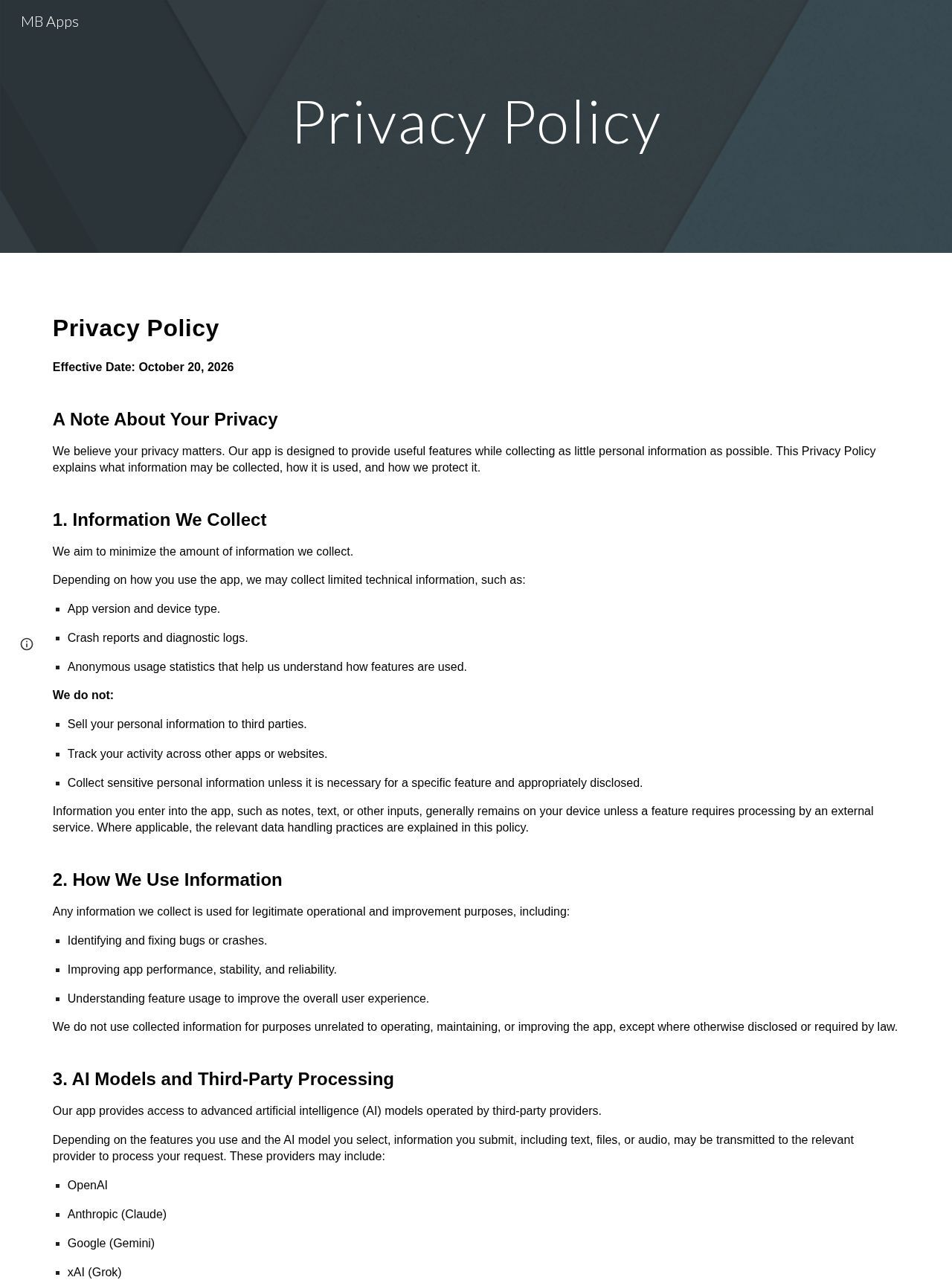
The listing says account secrets stay on the Mac, with Keychain storage and no server upload. Its Data Not Collected label sits beside a policy allowing technical collection and describing transmission of text, files or audio to AI providers. It does not explain which of those clauses apply to authenticator secrets, recovery data or backups. This is a disclosure mismatch, not evidence that any secret was actually transmitted.
E1 pages 3, 6 and 13–15; E3/E7.
E1 E3 E7A second sensitive-data app shares the same account and documents
Esignature-Sign Any Document is on the same Apple developer ID and links exactly the same privacy and terms URLs. Both apps received version 1.1 releases on 10 November, twenty seconds apart. These are direct same-publisher connections. No second Apple account, prior suspension or hidden common operator was established.
E2/E6/E8; Apple exact-ID timestamps.
E2 E6 E8Free download, with monthly, yearly and lifetime purchases
These amounts are displayed by Apple in the US and Irish listings, checked on 10 November and consistent with the supplied PDF. Twelve monthly renewals at an unchanged price total $95.88, about 4.8 times the listed $19.99 yearly option; in Ireland, €107.88 versus €22.99, about 4.7 times. The listing describes auto-renewing monthly/yearly access and a one-time lifetime option. Feature equivalence, purchase flow and actual charges were not tested. Price alone is not proof of deception.
| Purchase option | United States | Ireland |
|---|---|---|
| Monthly Pro | $7.99 per month | €8.99 per month |
| Yearly Pro | $19.99 per year | €22.99 per year |
| Lifetime Pro | $29.99 one-time | €34.99 one-time |
The name on the listing.
- App name
- Authenticator App for Desktop
- Developer / seller
- Muhammad Basit
- Developer country · App ID 6826168444
- Pakistan · Apple-declared trader business location: Faisalabad; not nationality.
E1 page 3 and freshly checked DE/IE provider disclosures, E3, 10 November 2026.
App ID, version and other identifiers
- App Store ID
- 6826168444
- Bundle identifier
- com.mb.authenticator.app
- Version
- 1.1 · 10 November 2026
- First released
- 3 November 2026 · Apple release field
The warning pattern: change the identity after release
An already-listed app can acquire a much more recognisable visual identity through an update. That is the relevant consumer and review concern here: a generic-looking fingerprint gives way to an icon reminiscent of an established security product while the app retains its store identity. App Scam DB assesses this as a suspicious post-launch branding change deserving Apple's review.
An earlier App Scam DB investigation documented another Pakistan-declared seller changing a generic study chatbot into a Claude-branded listing. It is a comparison of the observed post-launch marketing technique, not a connection between those developers. The repeated concern is that familiar third-party branding reaches an already-live listing through updates; the evidence does not establish that the initial submissions were deceptive or that reviewers were deliberately bypassed.
The earlier observation is 8 November, five days after Apple's first-release field. It is not proof of the launch-day icon, an entirely infringement-free initial submission, a rejected or bypassed review, or a change in the app's actual code. The version-history entry dates 1.0 to 4 November while Apple's first-release field says 3 November; both fields are retained rather than silently reconciled.
The current promotional images still show the purple fingerprint inside the app. That supports a mismatch between storefront artwork and the advertised interface, but does not prove that all screenshots changed in the update. Only the five fields recorded by the source monitor are presented as observed changes.
E1 pages 1–7; E2/E3; E14 for the separately identified comparison case. All times are UTC unless expressly stated otherwise.
Recognisable security branding has consequences
The comparison preserves the differences: Microsoft's icon contains a cyan person inside a dark-blue shield-like padlock; Basit's uses overlapping blue/cyan panels and a white tick. The shared arched-lock silhouette, colour family and security-product context are the basis for the editorial resemblance assessment. No automated similarity percentage is used.
Microsoft's official support material directs users to mobile stores and explicitly rules out a PC or Mac version of Microsoft Authenticator. A third-party TOTP app can be a legitimate product, but compatibility with authentication services does not make it Microsoft's desktop product. The Apple seller field is essential to distinguishing them.
Microsoft's brand guidance restricts use of its product icons and misleading implied affiliation. The side-by-side comparison supports a request to review confusing presentation; this investigation has no licence agreement, Microsoft enforcement notice or legal determination establishing infringement.
Microsoft's official download guidance Official Microsoft Authenticator listingE4/E5/E10. Brand guidance is relevant context, not evidence of an enforcement outcome.
A 2FA vault linked to AI-service paperwork
The listing describes TOTP generation, QR/setup-key import, a passcode or Touch ID vault, Keychain storage, encrypted local backups and thirty-day deleted-account recovery. Those features involve sensitive authentication material. They require clear disclosure of where that material goes and who can access it.
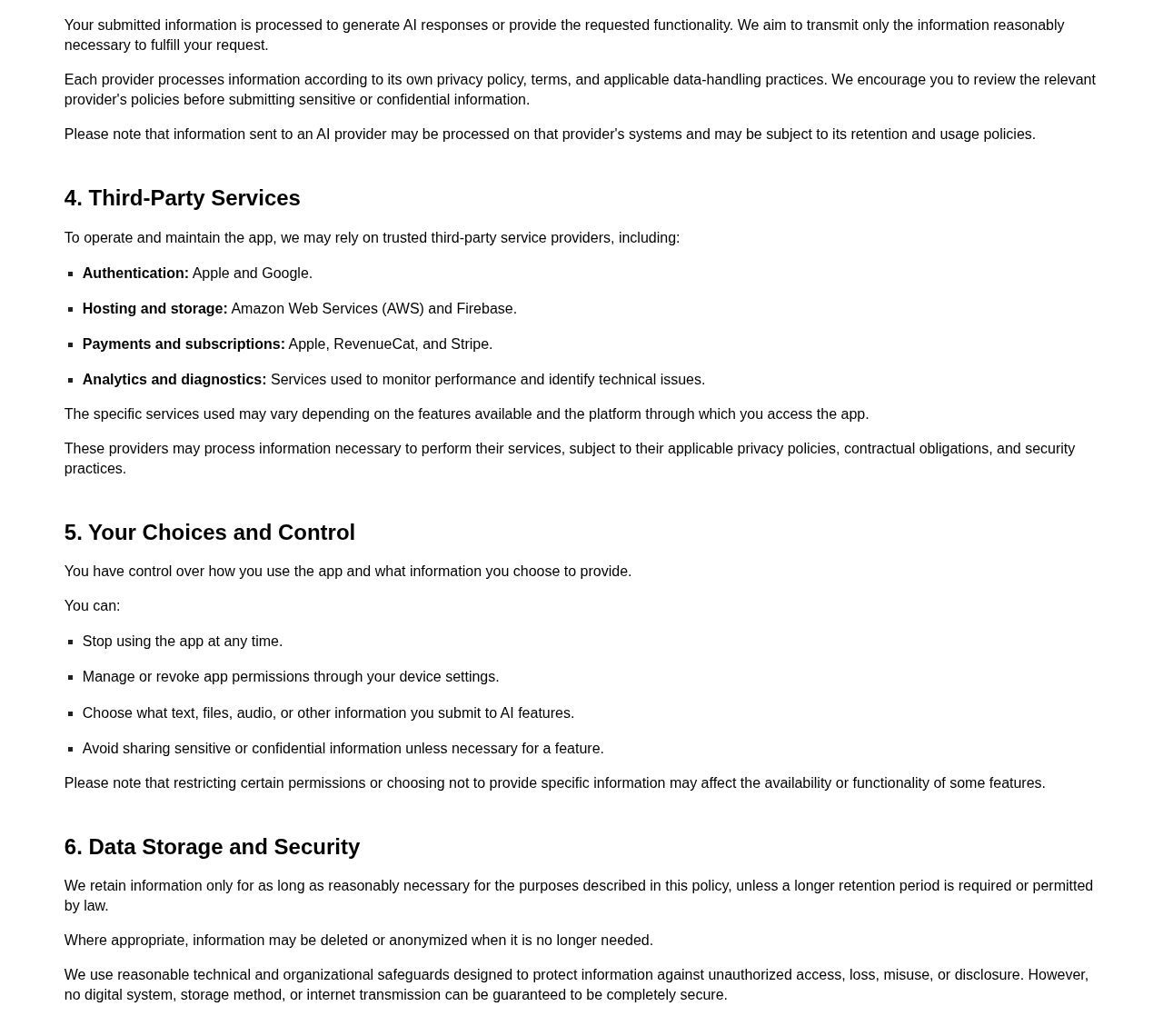
The linked MB Apps privacy policy, dated 20 October 2026, instead describes inputs sent to OpenAI, Anthropic, Google and xAI; possible AWS/Firebase hosting; payment providers; and analytics or diagnostics. These are the policy's statements, not independently detected dependencies. Its references to AI inputs do not identify an actual AI feature in the advertised authenticator.
The live page also retains an editorial note headed Important before publishing, telling its publisher to check whether the described providers and processing match the implementation. That is visible published drafting residue, not evidence identifying who wrote the document or whether AI was used to write it.
The Terms of Use link leads to an MB Apps page titled Term & Conditions, but its body is headed Privacy Policy and carries a different effective date, 29 April 2026. It repeats AI-provider and data-processing material and ends with a Before publishing instruction. It does not provide a clear, app-specific explanation of the lifetime entitlement or termination conditions in its displayed body.
The policy also excludes children under nine while Apple rates the app 4+. A store content rating is not a privacy consent rule, so this is a documentation inconsistency requiring explanation rather than proof of unlawful processing. No app binary was supplied or installed, and no network traffic or real authentication secret was tested.
| Record | Published position | Issue for this product |
|---|---|---|
| Apple privacy label | Data Not Collected | Not reconciled with the linked policy's conditional collection clauses |
| App description | On-device secrets, Keychain, no server upload | Policy does not map those promises to its external-processing clauses |
| Privacy page | AI inputs and multiple third-party providers | No authenticator-specific applicability explanation |
| Terms route | Privacy Policy body, separate effective date | No clear product-specific terms in the displayed document |
E1 pages 6–7 and 13–15; E3/E7/E8. Current drafting notes were read in the freshly retrieved page text; they are not claimed to appear in the earlier embedded source captures.
Muhammad Basit, MB Apps and the second app
Apple developer ID 6824482366 currently lists two apps. The individual seller is Muhammad Basit; MB Apps is the label on the shared legal pages and copyright. No incorporated company, beneficial-owner record or verified social profile was established for this publisher. A common personal name or studio abbreviation is insufficient to merge it with unrelated people or businesses.
German and Irish disclosures identify the authenticator seller as a trader and declare Faisalabad, Pakistan. The Esignature listing repeats the same trader contact fields. This is app-specific declared business-location evidence, not a nationality claim and not evidence of wrongdoing.
Esignature-Sign Any Document, bundle com.mb.esignature.app, advertises signatures, stamps, document templates and watermarks. Its description links the same two legal pages used by the authenticator. Reuse of a generic AI policy is therefore relevant to both a security utility and a document-handling utility. The reviewed signing promotions do not establish an additional copied-brand allegation.
Apple's exact-ID records timestamp Esignature 1.1 at 06:31:52 UTC and Authenticator 1.1 at 06:32:12 UTC on 10 November. The twenty-second interval is a concrete same-account release association. It is not a link to another publisher, proof of fraudulent coordination, or the date the Apple account was created.
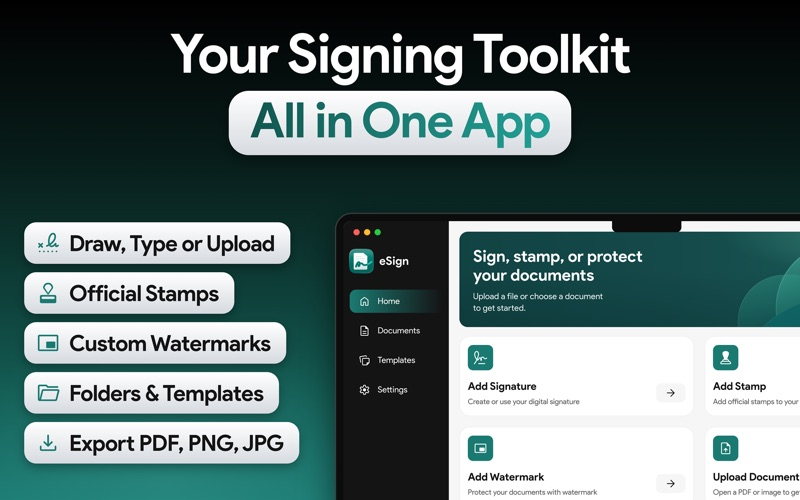
| App | App ID / bundle | First-release field | Current version release |
|---|---|---|---|
| Esignature-Sign Any Document | 6825320157 / com.mb.esignature.app | 1 November 2026 | 1.1 · 10 November 06:31:52 UTC |
| Authenticator App for Desktop | 6826168444 / com.mb.authenticator.app | 3 November 2026 | 1.1 · 10 November 06:32:12 UTC |
E2/E6/E9; current developer-software lookup and native Apple catalog. Two current apps is a checked storefront observation, not an all-time total.
Connections: one confirmed account, no verified wider network
The strongest connection is direct: the two apps share Apple's numeric developer ID, seller identity, paired legal URLs and trader contact information. Their bundle identifiers also share the com.mb prefix. Exact identifier and contact searches did not establish a separate Apple account, an earlier removed portfolio, a corporate shell or a prior enforcement case.
The previously reported Google-look authenticator under Mubashir Iqbal and the Authy-name report concerning Ahmad Waheed are relevant comparisons of presentation and disclosure risks. Their different sellers, app IDs and legal infrastructure do not connect them to Muhammad Basit. Pakistan, Gmail, Google Sites, a similar app category and a common name are not evidence of common control.
The Google Sites pages resolve and contain substantial text. The concern is their inadequate fit to the two products and the absence of a separate listed product/support website, not the fact that a hosted website builder was used. No custom domain, historic hosting provider or meaningful domain-registration trail was identified from the checked listing links.
| Association | Evidence | Assessment |
|---|---|---|
| Authenticator ↔ Esignature | Same Apple developer ID and seller | Confirmed same publisher account |
| Both apps ↔ MB Apps pages | Exact matching legal URLs and contact fields | Confirmed shared published documents |
| Two 1.1 updates | Release timestamps twenty seconds apart | Confirmed timing; no separate-account inference |
| Other reviewed authenticator sellers | Similar product category or country only | No verified operator connection |
E2/E6–E9/E12. Exact public contact values were checked privately and are not reproduced in the narrative.
The concrete questions for Apple
Apple should review the new icon against its copycat and intellectual-property rules, the consistency of the storefront identity and promotional imagery, and whether the linked documents accurately describe this app's handling of authentication material. Rules 2.3, 4.1, 5.2.1 and 5.1.1 are relevant; the paid options also require clear subscription disclosures under 3.1.2.
Public release notes are not the private Notes for Review. Their generic wording cannot establish that the developer concealed the artwork change from reviewers. The supplied chronology does establish that the new identity reached a live listing after release. No Apple ban, enforcement reason, verified consumer loss or credential theft is established by these records.
Buyers should check the seller before interpreting familiar security artwork as official affiliation. An app holding authentication secrets warrants clear product-specific documentation; this listing's mismatched documents do not provide that clarity.
E3/E7/E8/E10/E11. Editorial consumer warning based on the documented presentation and disclosure issues.
What else changed?
Five changed fields recorded by the supplied monitor. Earlier observation: 8 November 2026, 06:09 UTC (minute precision). Current capture: 10 November 2026, 07:17:44 UTC. Source risk labels are replaced here with descriptive review priorities.
Compare all 5 recorded changes
Icon Branding concern
Purple fingerprint with small lock
Blue padlock and layered shield with white tick
E1 page 1; new artwork independently matched to E2.
Version Recorded change
1.0 · version-history entry 4 November 2026
1.1 · 10 November 2026
E1 pages 1 and 7; E2.
Release notes Recorded change
No notes recorded
Bug Fixes; Engagement Enhanced
E1 page 1; current Apple listing. Not the private review submission notes.
Size Recorded change
1.6 MB
1.4 MB
E1 page 1; displayed sizes, not a binary analysis.
Category Recorded change
Productivity
Utilities
E1 page 1; E3.
View the dates and timeline
Esignature first-release field
Earliest current app on the checked developer account; not the date the account was opened.
Authenticator first-release field
Apple exact-ID releaseDate; the separate 1.0 version-history entry is dated 4 November.
Earlier purple icon observed
Minute precision as printed in the source comparison; original time 08:09 UTC+02.
Esignature 1.1 released
Apple currentVersionReleaseDate.
Authenticator 1.1 released
Apple currentVersionReleaseDate; twenty seconds after the related app.
New blue identity captured
Supplied monitor detects five changed fields under the existing app ID.
Independent checks
US, DE and IE listings, original Apple assets, developer catalog, legal pages and Microsoft reference checked; wider identity searches did not establish a second account.
The records behind this report.
The dossier combines this independent investigation with all 15 original source pages, including dated icons, Apple captures and the linked-policy captures. Additional original Apple artwork and promotions were retrieved independently. No binary was supplied, installed or tested, no purchase made, and no real account secret imported. The supplied file's visible source material remains intact; the source monitor's automated risk labels and comparison scores are not adopted as legal or fraud findings.
Open source files, archive links and checksums
E1 / Complete supplied 15-page change report
Captured 10 November 2026, 07:17:44 UTC. Page 1 before/after; pages 2–4 identity, trader and portfolio; page 5 seven promotions; pages 6–7 description, version history and sources; page 8 continuation; pages 9–12 native Apple captures; pages 13–15 native privacy capture. All pages preserved in the appended source section. Original-source hash independently calculated.
SHA-256: 35abff9f073905155b933e36cc54b5cf6cedf791ebd63b626f1c18b400096590
E2 / Apple exact-ID and developer-software records
Retrieved 10 November 2026, 15:36 UTC. App IDs, names, seller/developer IDs, bundle IDs, release timestamps, original artwork and screenshot URLs. Developer lookup with entity=software returns artist and the same two software records; the macSoftware-filtered request returned only the artist record and is not used to imply an empty catalog.
Open source ↗E3 / Fresh US, German and Irish authenticator listings
All three exact-ID pages returned HTTP 200 on 10 November at 15:36 UTC. Name/subtitle, blue icon, seven promotions, subscriptions, Data Not Collected label, exact legal links. DE and IE declare Muhammad Basit as trader in Faisalabad, Pakistan, consistent with source E1.
Open source ↗E4 / Official Microsoft Authenticator and original icon
Retrieved 10 November 2026, 15:36 UTC; HTTP 200. Seller Microsoft Corporation, app ID 983156458, bundle com.microsoft.azureauthenticator. Original 512px Apple-hosted artwork downloaded independently, separate from the reviewed Mac product.
Open source ↗E5 / Microsoft official download guidance
Checked 10 November 2026. Explicitly describes a mobile app and says Microsoft Authenticator is not available for PC or Mac. Used to distinguish an independent Mac product from an official desktop edition.
Open source ↗E6 / Current Muhammad Basit Apple catalog
Retrieved 10 November 2026; HTTP 200. Two current app links: 6825320157 and 6826168444. Exact numeric developer identity corroborated by software lookup. No historic ban or additional developer account verified.
Open source ↗E7 / Linked MB Apps privacy policy
Retrieved 10 November 2026, 15:36 UTC; HTTP 200. Effective date 20 October 2026. Full visible text read, including conditional technical collection, AI-provider transmission, third-party hosting/payment/analytics, under-nine clause and a published pre-publication editorial note. Original morning native capture also preserved in E1.
Open source ↗E8 / Linked MB Apps terms route
Retrieved 10 November 2026, 15:36 UTC; HTTP 200. Site navigation says Term & Conditions; document body says Privacy Policy, effective 29 April 2026, with AI-services content and a pre-publication instruction. Both app descriptions link this exact route.
Open source ↗E9 / Esignature-Sign Any Document — related app
Retrieved 10 November 2026, 15:36 UTC; HTTP 200. Same developer ID, individual seller, trader contact fields, copyright and exact two legal URLs. Original icon and five promotions inspected. App-specific document features recorded; no additional brand-copy allegation established.
Open source ↗E10 / Microsoft trademark and brand guidance
Retrieved 10 November 2026; HTTP 200. Addresses product icons, permission and misleading affiliation. Used as relevant review context; no permission document or adjudication obtained.
Open source ↗E11 / Apple App Review Guidelines
Retrieved 10 November 2026; HTTP 200. Accurate metadata 2.3, copycats 4.1, intellectual property 5.2.1, privacy 5.1.1 and subscriptions 3.1.2 checked. Private Notes for Review distinguished from public release notes.
Open source ↗E12 / Exact-identifier searches and historical checks
Checked 10 November 2026. Exact app/developer IDs, support contact, policy slugs and bundle IDs searched against public search results and existing structured report corpus. No supported second-account, prior suspension or corporate ownership connection found. Archive discovery endpoint returned HTTP 503; source-record archive links are retained separately and not claimed independently replayed.
Open source ↗E13 / Source-recorded Apple archive capture
Archive URL printed in source page 7. Not independently replayed during this investigation. Dated icon comparison relies on the supplied monitoring record, not this replay.
Open source ↗E14 / Earlier documented generic-to-branded update pattern
Existing App Scam DB investigation, dated 22 October 2026. Saved 13/22 October records show a generic study chatbot changing to Claude/Anthropic wording and coral artwork; seller Anam Shehzadi declares Faisalabad, Pakistan. Used solely as a documented pattern comparison, not evidence of common ownership or confirmed App Review evasion.
Open source ↗